What to Expect During a Commercial Carpet Installation Project
People seeking commercial carpet installation typically want a smooth, professional process; local service providers can handle the job efficiently and ensure quality results.
Understanding what to expect during a commercial carpet installation project can help property owners feel more prepared and confident throughout the process. Whether upgrading a retail space, office, or public area, knowing the typical steps involved-from surface preparation to the final inspection-can make the experience smoother. Local contractors experienced in commercial carpet installation are equipped to handle these projects efficiently, ensuring that the work aligns with the specific needs of the space and minimizes disruptions.
For property owners in the area exploring this topic, it’s practical to learn about the different phases of installation, including how the space is prepared, what materials are used, and how the installation process unfolds day-to-day. This knowledge can assist in coordinating other aspects of property management and maintenance. Local service providers can offer guidance tailored to each project, helping to ensure a successful installation that meets the expectations of the space’s use and design requirements.
- Site assessment - when a business is preparing for installation, local contractors evaluate the space to determine the scope of work and necessary preparations.
- Floor preparation - during a commercial carpet installation, service providers often focus on removing existing flooring and ensuring the subfloor is clean and level.
- Carpet measurement and selection - when choosing new carpeting, local pros assist with precise measurements and help select materials suited for high-traffic areas.
- Installation process - as part of the project, contractors handle the precise laying and fitting of carpet, ensuring proper seams and secure edges.
- Post-installation cleanup - after installation, service providers typically clean the area to remove debris and ensure the space is ready for use.


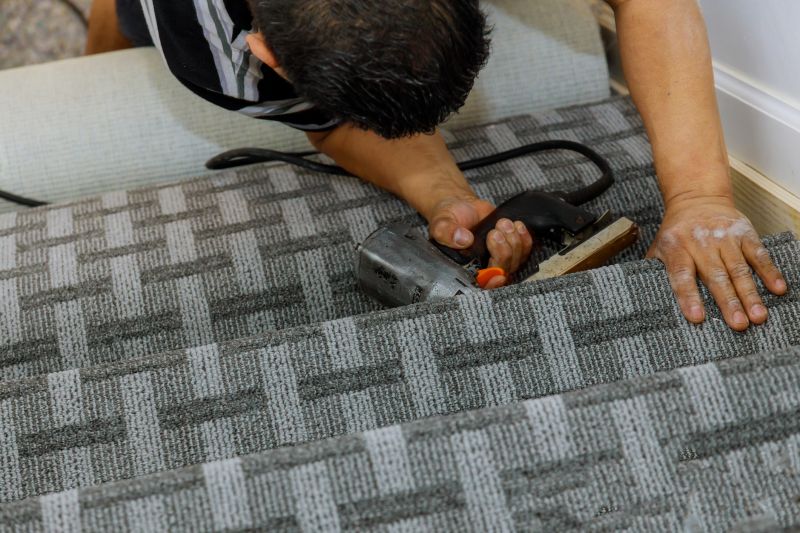
When people search for what to expect during a commercial carpet installation project, they are often looking for a clear understanding of the process involved in upgrading or replacing the flooring in a business or commercial property. This might include office buildings, retail spaces, restaurants, or other types of commercial facilities. Typically, property owners or managers want to know how long the installation will take, what preparations are necessary beforehand, and what kind of disruption to daily operations might occur. Understanding these aspects helps them plan accordingly and ensures the project aligns with their operational needs.
Commercial carpet installation projects are usually related to plans for remodeling, refurbishing, or enhancing the appearance and functionality of a property. These projects can be driven by the need for increased durability, improved aesthetics, or compliance with safety standards. Common problems that lead to such upgrades include worn-out flooring, moisture issues, or the desire to create a more professional environment. When property owners are exploring options, they often want to know what steps are involved, how long the work will take, and what kind of preparation or cleanup is expected afterward. Local service providers can help ensure the process is smooth and meets the specific needs of each property.
The types of properties that typically come up in discussions about commercial carpet installation include office complexes, retail stores, healthcare facilities, educational institutions, and hospitality venues. These spaces often require durable, high-traffic flooring that can withstand frequent use while maintaining a professional appearance. Each property type may have unique requirements, such as fire-resistant materials for certain environments or noise-reducing options for open-plan offices. Property owners and managers often rely on local contractors to recommend suitable carpet materials, handle the installation efficiently, and minimize disruptions to daily operations. These professionals understand the specific demands of different commercial spaces and can adapt their services accordingly.
Understanding what to expect during a commercial carpet installation project helps property owners and managers prepare effectively and set realistic expectations. It involves knowing about the typical steps involved, from site preparation and material delivery to installation and cleanup. Local service providers play a crucial role in guiding clients through each phase, ensuring the process aligns with the property’s needs and operational schedule. Whether upgrading a small retail space or a large office building, working with experienced local contractors can make the project more predictable and less disruptive. This knowledge allows property owners to approach their carpet installation with confidence, knowing what to anticipate and how the process will unfold.
Flooring Removal Services - these projects involve removing existing flooring materials, requiring techniques and tools similar to preparing surfaces for new carpet installation.
Subfloor Preparation Services - ensuring a smooth, level surface is essential in both projects, involving similar planning and surface assessment skills.
Commercial Flooring Installation - broader flooring projects often include carpet installation, sharing planning, layout, and material handling skills with carpet-specific work.
Office Renovation Projects - these projects often require coordinating flooring installation with other upgrades, involving similar site preparation and project management skills.
Carpet Repair and Patching Services - repairing or patching carpet shares techniques in handling carpet materials and seam matching used during installation.
Underlayment and Padding Installation - preparing cushioning materials is a key step in carpet installation, requiring precise measurement and installation skills similar to other flooring prep work.
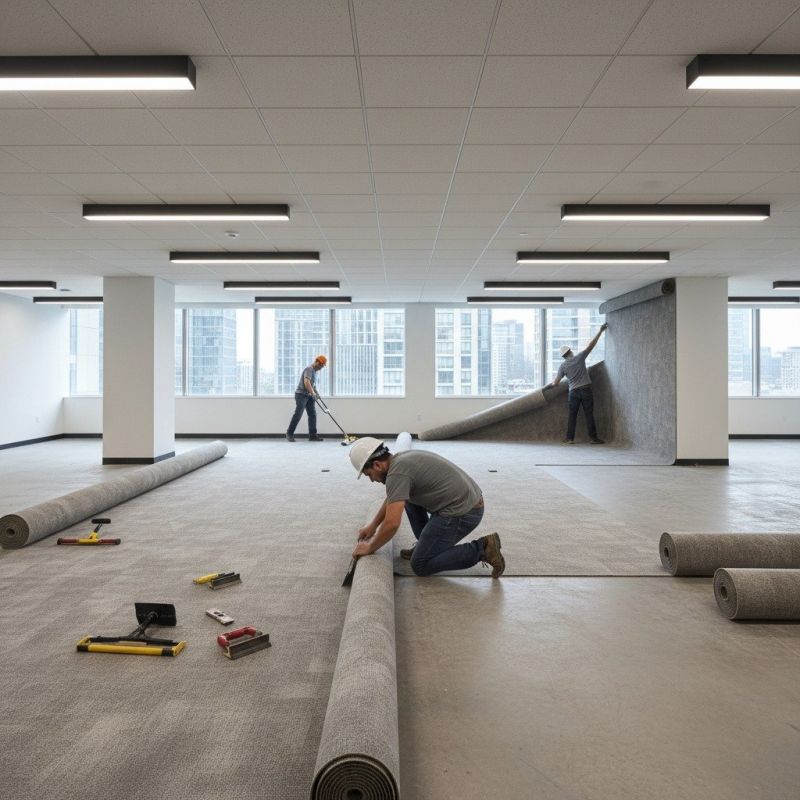
When evaluating service providers for commercial carpet installation, it is important to consider their experience with similar projects. Homeowners should inquire about the types of commercial spaces they have worked on and the scope of their previous installations. A contractor with a proven track record handling projects comparable in size and complexity can offer insight into their familiarity with the process and potential challenges. Additionally, reputable references from past clients can provide valuable perspectives on the contractor’s reliability, quality of work, and professionalism, helping homeowners make more informed decisions.
Clear written expectations are essential for a smooth installation process. Homeowners should seek service providers who can provide detailed proposals outlining the scope of work, materials to be used, and the projected timeline. This documentation helps ensure everyone is on the same page and reduces the likelihood of misunderstandings. Good communication from the outset can also facilitate prompt responses to questions or concerns, creating a more transparent experience. Service providers who prioritize clear, consistent communication tend to be more reliable and easier to work with throughout the project.
Reputable local contractors are often distinguished by their ability to foster open dialogue and provide comprehensive references. When comparing options, homeowners should ask for references from previous commercial projects similar to their own. This can reveal how well the contractor manages expectations, adheres to schedules, and handles unforeseen issues. Additionally, a contractor’s reputation for professionalism and responsiveness can be gauged through initial interactions. Choosing a service provider known for good communication and transparency can help ensure that the installation process proceeds smoothly and that expectations are managed effectively from start to finish.
Property owners often search for what to expect during a commercial carpet installation project when they are planning practical projects around their homes and businesses. Local pros provide Commercial Carpet Installation services for everyday jobs and straightforward project options.

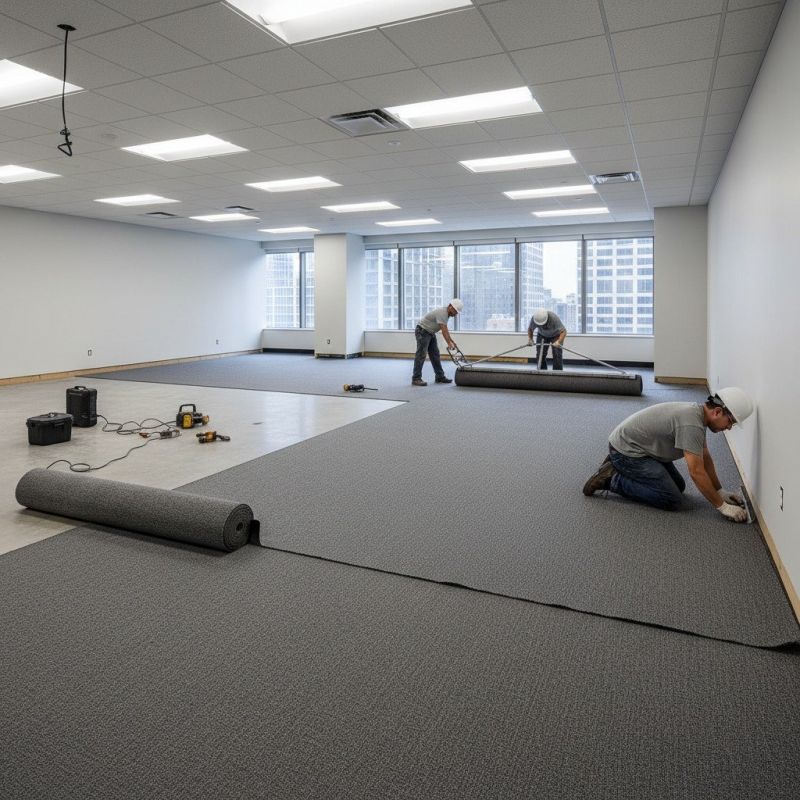
During a commercial carpet installation project, property owners can typically expect a series of standard steps that help ensure a smooth process. Once the project begins, local contractors often start by preparing the space, which may involve clearing furniture and removing existing flooring if necessary. This is followed by surface cleaning and leveling to create an even base for the new carpet. Throughout the installation, property owners might notice workers working efficiently to minimize disruptions, especially in busy areas like offices or retail spaces. Clear communication from local service providers about the progress and any temporary inconveniences can help keep expectations realistic.
Understanding what to expect during a commercial carpet installation project can help property owners plan accordingly. Common situations include the need for temporary closures or restricted access to certain areas during the work. Local pros usually work with the property’s schedule to coordinate installation times that cause the least disruption. After the carpet is installed, there may be a brief period of settling before furniture can be moved back in. Many property owners seek out local contractors for these services because they want experienced professionals who can handle the job efficiently and with minimal impact on daily operations.
What should I expect during a commercial carpet installation project? During a commercial carpet installation, local contractors typically prepare the space by clearing and cleaning the area, then carefully lay down the new carpet, ensuring proper alignment and secure fastening. The process may involve removing old flooring, measuring for precise fitting, and addressing any necessary surface repairs before installation begins.
How do local service providers prepare the space for carpet installation? Local pros usually start by removing existing flooring and cleaning the subfloor to ensure a smooth surface. They may also make minor repairs to the subfloor or surface to promote proper adhesion and a professional finish during the installation process.
What tools and materials are used during a commercial carpet installation? Contractors typically use specialized tools such as carpet stretchers, seam cutters, and adhesive applicators. The materials include the carpet itself, along with padding, seam tape, and adhesives to secure the carpet in place and ensure durability.
Will there be any disruption to my business during the installation? While some disruption is common, experienced local service providers aim to minimize impact by scheduling work efficiently and working during off-peak hours when possible. They also take steps to keep the workspace organized and safe throughout the project.
What post-installation steps should I expect after the carpet is installed? After installation, contractors typically perform a final inspection, clean the area, and may provide guidance on care and maintenance to ensure the longevity of the new carpet. They ensure the space is ready for use once the project is complete.
Preparation and site assessment - Local contractors typically evaluate the space to determine the best type of carpet and prepare the area for installation, ensuring a smooth process.
Material delivery and handling - Service providers coordinate the delivery of carpet materials, making sure they arrive in good condition and are stored properly before installation begins.
Installation process overview - Property owners can expect pros to lay out and secure the carpet, making adjustments for seams and ensuring a clean, professional finish.
Post-installation cleanup and inspection - Local contractors usually clean the area after installation and perform a final inspection to confirm the job meets quality standards.
If you are thinking about what to expect during a commercial carpet installation project for a property, this guide is meant to help you understand this topic, the typical project types, and how different options might fit your plans.
When you are ready, you can use the quote form on this page to share a few details about your project. From there, local pros can review the basics and follow up with options that match what you have in mind.